Vision Language Models – When Computers See AND Understand
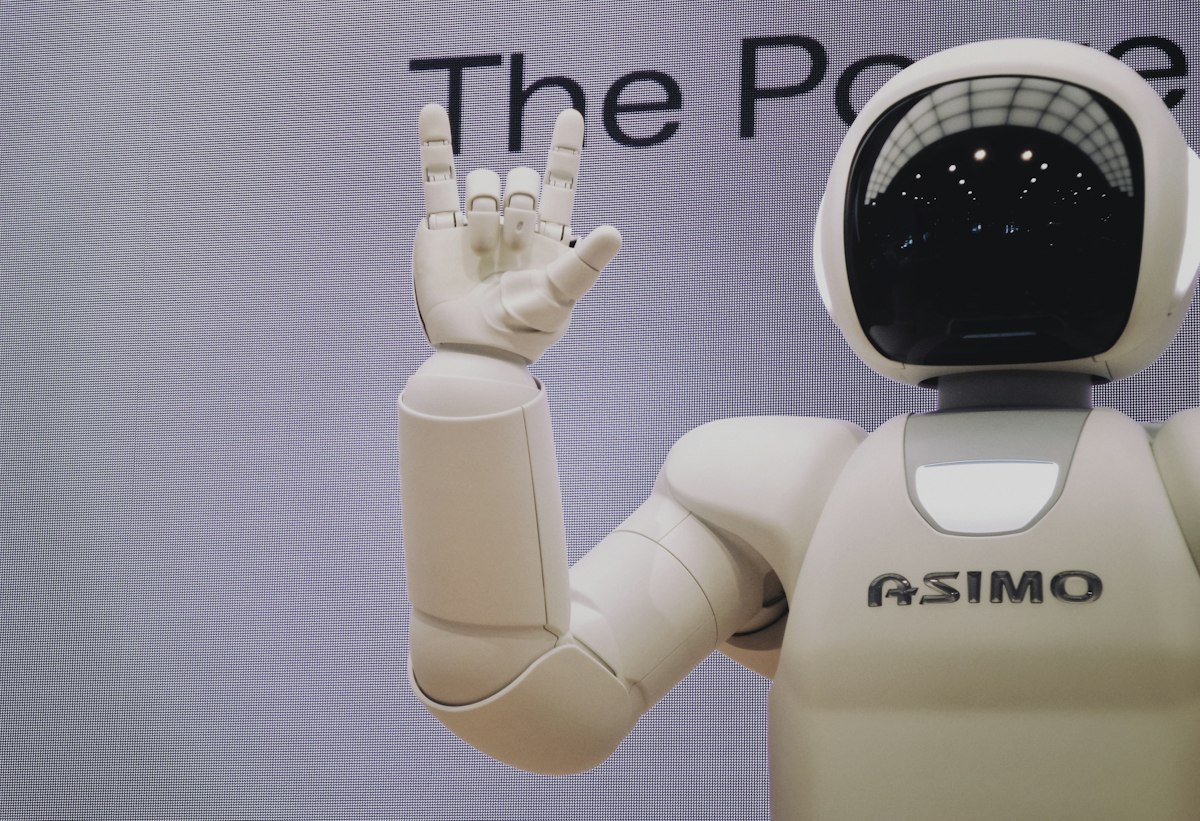
The boundaries between Computer Vision and Natural Language Processing are dissolving. Vision Language Models (VLMs) mark a paradigm shift: from simple object detection to genuine image understanding.
The Difference
Classic CV: "Object detected: screw"
VLM: "M8 stainless steel screw with damaged threading on the third turn, likely caused by over-torquing."
What Makes VLMs Different
VLMs combine three core components to handle visual tasks through natural language:
- Visual Encoder: Processes images into meaningful representations
- Language Model: Understands queries and generates human-readable responses
- Fusion Layer: Bridges visual and textual understanding
Leading VLMs in 2025
GPT-4.1 / GPT-4o
Improved analysis of charts, diagrams, and visual mathematics
Best for: Real-time multimodal analysis, enterprise applications
Claude 3.5 Sonnet
Exceptional precision in visual descriptions
Best for: Technical documentation, detailed inspections
Gemini 2.0
Native video understanding and temporal reasoning
Best for: Video analysis, motion detection, process monitoring
LLaVA-NeXT / Qwen2-VL
Open-source models for on-premise deployment
Best for: Data-sensitive applications, air-gapped environments
Industrial Applications
At bluepolicy, we integrate VLMs for:
Quality Control
Clear descriptions: "Surface scratch (12mm length, 0.3mm depth), upper right quadrant. Severity: Medium. Recommendation: Re-polish."
Safety Monitoring
Context-aware analysis: "Person entering restricted zone. No safety vest detected. Warning triggered."
Discover VLM Capabilities
See how Vision Language Models can transform your image analysis.
Ready to build AI your business can trust?
Get started with policy-first AI governance today.
Contact us